
Keeping Your New Year’s Resolutions: A Compassionate, Sustainable Approach

Are you struggling with your New Year Resolutions?
Keep Your New Year’s Resolutions—With Simple easy steps
Every January begins with hope. We set intentions to eat better, move more, sleep deeper, manage stress, or finally prioritize ourselves. Yet by February, many resolutions quietly fade—not because we lack willpower, but because we create unattainable expectations of ourselves
The goal isn’t perfection. It’s sustainable, realistic steps that fit into real life. Here’s how to set yourself up for success—and avoid the guilt and disappointment that so often derail good intentions.
1. Start With Why, Not What
Lasting change begins with meaning. Instead of focusing only on the behavior (“I will exercise every day”), connect to the deeper reason behind it.
Examples:
“I want more energy to enjoy my life.”
“I want to feel calmer and more grounded.”
“I want to take better care of myself this year.”
When motivation dips—as it inevitably will—your why helps you reconnect without judgment.
2. Make Goals into small steps that are so easy to do
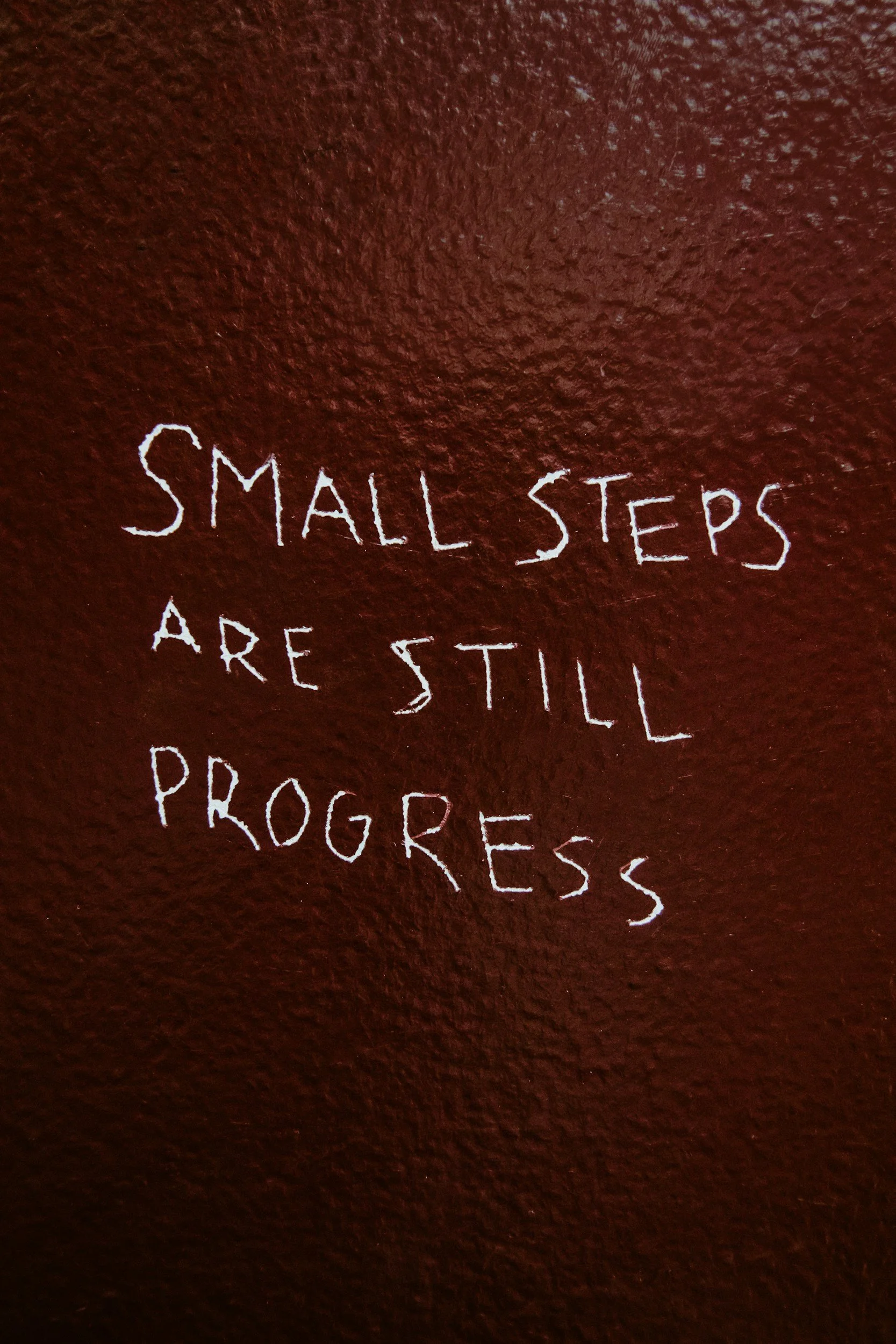
Most resolutions fail because they are too big, too fast. Sustainable change happens through small, repeatable actions.
Instead of:
“I’ll completely overhaul my diet.”
“I’ll meditate for 30 minutes every day.”
Try:
Adding one nourishing food per day
Two minutes of breathing or stillness
A short walk or stretch
Small steps build confidence—and momentum.
3. Design Your Environment to Support You
Change isn’t about discipline alone; it’s about making the healthy choice easier.
Ask yourself:
What would make this habit feel simpler?
What gets in the way?
Examples:
Keep healthy foods visible and ready
Set out walking shoes the night before
Create a calm space for rest or reflection
When your environment supports you, habits feel less effortful.
4. Expect Imperfection—and Plan for It
Life will interrupt your best intentions. That doesn’t mean you’ve failed.
A missed day, a busy week, or a change in routine is part of the process—not a reason to quit.
Reframe this: A setback is information, not a verdict.
What matters most is how gently—and quickly—you return.
5. Focus on Who You’re Becoming
Instead of measuring success only by outcomes or streaks, think about identity.
Examples:
“I’m someone who takes care of my body.”
“I’m someone who pauses and breathes when stressed.”
“I’m someone who values consistency over intensity.”
Each small action reinforces that identity.
6. Practice Self-Compassion
Self-criticism may feel motivating, but it often leads to burnout. Self-compassion, on the other hand, supports resilience and long-term change.
When things don’t go as planned:
Acknowledge effort
Let go of all-or-nothing thinking
Begin again—without drama
Progress grows best in kindness.
Final Thought: Choose Consistency Over Perfection
Keeping your New Year’s resolutions isn’t about willpower—it’s about alignment, patience, and realistic expectations.
You don’t need to do everything. You just need to take the next small step.
Here’s to steady progress, self-trust, and sustainable change—this year and beyond.


Lots of Love and Warm Regards,
Dr. Priya Deshpande


Personal Perspective from Dr. Priya Deshpande, Cancer Survivor
(pictured 2024)
. . . . . . . . . .
