
Change your Mindset - Practice Gratitude
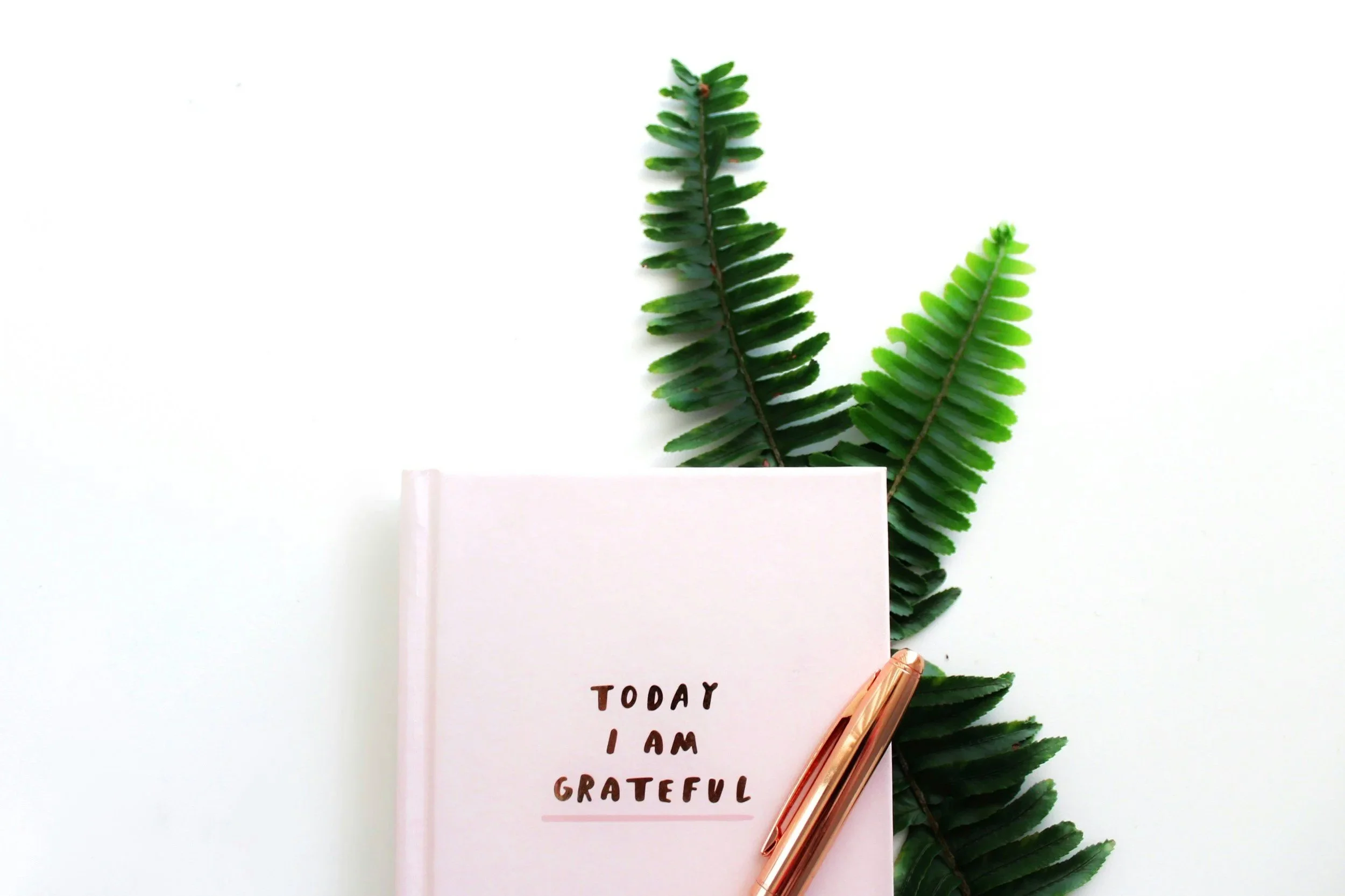
its a mindset change
Practice Gratitude: A Thanksgiving Reflection
As we approach Thanksgiving, our thoughts naturally turn toward gratitude—yet this season offers more than just a moment to say “thank you.” Gratitude is a powerful practice with measurable benefits for the body, mind, and spirit. In Integrative and Lifestyle medicine, we see every day how shifting one’s focus toward appreciation can transform stress, support healing, deepen emotional resilience, and improve overall well-being.
This season is a chance not only to acknowledge what we are thankful for, but to explore how cultivating gratitude as a daily practice can enrich our lives long after the holiday has passed.
What Does Gratitude Really Mean?
Gratitude is more than a positive emotion—it is a MINDSET and a way of relating to the world. It is the conscious choice to focus on what is working rather than what is missing. Gratitude helps us shift:
From scarcity to abundance
From stress to presence
From fear and reactivity to reflection and being grounded
Even in challenging moments, gratitude does not deny difficulty—it simply widens the lens, allowing us to see that something good can also exist alongside the struggle.
How Gratitude Changes the Brain
Modern research confirms what many wisdom and spiritual traditions have taught for generations. When we intentionally practice gratitude:
Serotonin and dopamine increase, lifting mood and motivation
Stress hormones decrease, supporting calm and clarity
The prefrontal cortex becomes more active, improving emotional regulation
Neural pathways for appreciation and optimism strengthen over time
Simply put: the more we practice gratitude, the easier it becomes for the brain to notice the good in our everyday lives.
Gratitude and Physical Health
Gratitude is not only emotional wellness, it is whole-body medicine. Studies show that regularly practicing gratitude can:
Improve sleep quality
Reduce blood pressure
Support immune function
Decrease chronic stress levels
Reduce the perception of pain
Encourage healthier behaviors such as movement, nourishing food choices, and self-care
These benefits occur because gratitude helps activate the parasympathetic nervous system—the body’s “rest and restore” mode—which is essential for recovery, balance, and healing.
Gratitude Deepens Connection
Thanksgiving reminds us that gratitude is not only personal but relational. When expressed outwardly, gratitude:
Enhances empathy
Helps us feel seen and valued
Strengthens relationships
Builds trust and emotional safety
Improves communication and understanding
A simple “thank you” can soften tension, open dialogue, and nourish connection in ways that words often cannot.
Why Gratitude Can Feel Hard Sometimes
Gratitude is not always effortless, especially when life is uncertain, painful, or overwhelming. In those seasons, choosing gratitude becomes an anchor—an intentional practice of noticing even one small thing that is still supporting us:
A warm cup of tea.
Someone who showed up.
A body that is still trying its best.
A moment of quiet in the day.
Gratitude is not about perfection—it is about presence.

thankful from the heart
Simple Ways to Practice Gratitude Daily
Here are a few accessible, evidence-based ways to make gratitude part of your routine:
1. A Daily Gratitude Journal
Write down 3 things you are grateful for each day. The key is consistency, not length.
2. Gratitude Pause
Once a day, pause, place a hand on your heart, and name—silently or aloud—something good in this moment.
3. Gratitude Note or Message
Write a note or tell someone who has impacted your life and tell them why.
4. Mindful Gratitude Walking
During a short walk, notice what you can see, hear, smell, or feel that brings appreciation.
5. Gratitude at the Table
At meals, invite everyone to share one thing they are grateful for—big or small.
Even a few minutes a day can create meaningful neurological and emotional shifts.

. . . . . . . . . . . .
An Invitation This Thanksgiving
As we gather this season—around tables, online screens, or in quiet moments alone—may we not overlook the profound gift of gratitude. Let this holiday be a reminder that:
What we appreciate expands
Gratitude is a practice, not a moment
Healing often begins with noticing what is already here
Every day offers something—a lesson, a comfort, a connection, a breath—to be grateful for
I am grateful for my life, for surviving my cancer, and everyone around me. I live each day mindfully and with gratitude.
Wishing you a peaceful, joyful, and grounded Thanksgiving filled with presence, reflection, and appreciation.
