
Why Chia Seeds Deserve a Place in Your Kitchen
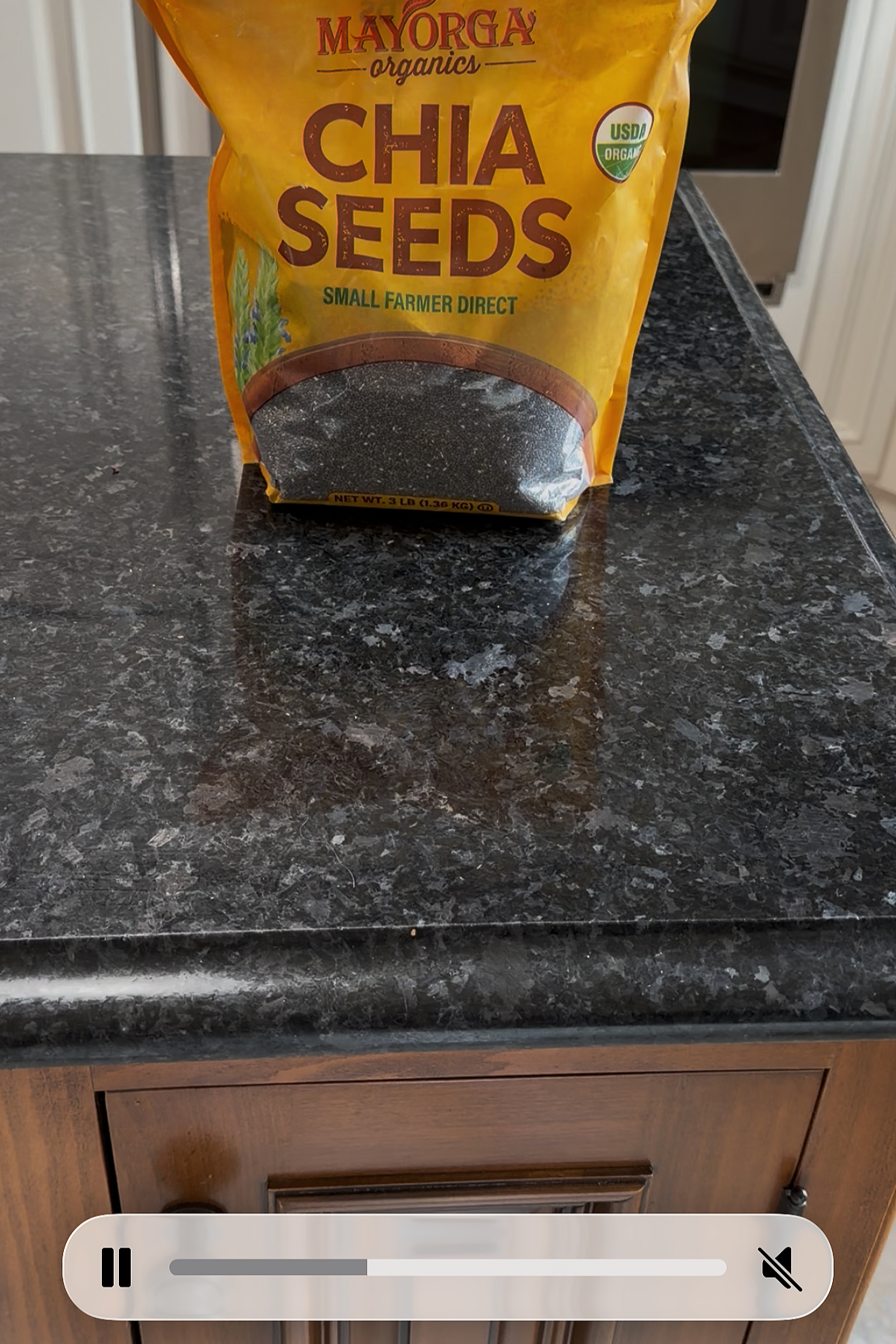
small seeds, big health benefits!
"Good things come in small packages." Few foods embody that saying better than the humble chia seed.
These tiny black and white seeds may look unassuming, but they are among the most nutrient-dense foods you can add to your diet. Once prized by the ancient Aztecs and Mayans for providing sustained energy and endurance, chia seeds have stood the test of time—and modern research is confirming many of their remarkable health benefits.
As an Integrative and Lifestyle Medicine physician, I love recommending foods that are simple, affordable, versatile, and backed by science. Chia seeds check all of those boxes.
A Nutritional Powerhouse
Just two tablespoons of chia seeds provide approximately:
140 calories
5 grams of protein
10 grams of fiber
9 grams of healthy fat (including omega-3 fatty acids)
Calcium
Magnesium
Phosphorus
Manganese
Iron
Zinc
Potassium
That is an impressive nutritional profile for such a tiny serving.
1. Excellent for Digestive Health
One of the greatest benefits of chia seeds is their high fiber content. Two tablespoons provide nearly one-third of the recommended daily fiber intake for most adults.
Fiber helps:
Promote regular bowel movements
Feed the beneficial bacteria in your gut microbiome
Support a healthy digestive tract
Reduce constipation
Improve feelings of fullness after meals
When mixed with liquid, chia seeds absorb up to ten times their weight in water, forming a gel-like consistency. This gel slows digestion, helping nutrients be absorbed more gradually while keeping you satisfied longer.
2. A Heart-Healthy Food
Chia seeds are one of the richest plant sources of alpha-linolenic acid (ALA), an omega-3 fatty acid.
Omega-3 fats help:
Support healthy blood vessels
Reduce inflammation
Promote healthy cholesterol levels
Support normal blood pressure
Contribute to overall cardiovascular health
Although ALA is not converted very efficiently into the EPA and DHA found in fish, it is still an important component of a heart-healthy diet, especially for those following more plant-based eating patterns.
3. Helps Stabilize Blood Sugar
If you experience energy crashes after meals or are working to prevent or manage type 2 diabetes, chia seeds can be a valuable addition to your meals.
Their combination of soluble fiber, healthy fats, and protein slows the absorption of carbohydrates, reducing rapid spikes in blood sugar after eating.
Adding chia seeds to oatmeal, yogurt, smoothies, or overnight oats is an easy way to improve the nutritional quality of your breakfast.
4. Supports Healthy Weight Management
No food is a magic solution for weight loss, but foods that increase satiety make it easier to maintain healthy eating habits.
The combination of:
Fiber
Protein
Healthy fats
Water absorption
helps you feel full for longer, making it easier to avoid unnecessary snacking and overeating.
5. Strong Bones Need More Than Calcium
Many people think only about calcium when it comes to bone health, but strong bones require many nutrients working together.
Chia seeds naturally contain:
Calcium
Magnesium
Phosphorus
Manganese
These minerals all play important roles in maintaining bone strength, making chia seeds an excellent addition to a bone-friendly diet—particularly for women after menopause and older adults.
6. Rich in Antioxidants
Every day, our bodies are exposed to oxidative stress from normal metabolism, pollution, ultraviolet light, and even chronic stress.
Chia seeds contain natural antioxidants that help protect cells from damage caused by free radicals. These antioxidants also help preserve the healthy oils within the seeds, making them surprisingly shelf-stable.
7. A Helpful Source of Plant Protein
For individuals trying to increase their protein intake—especially vegetarians and vegans—chia seeds provide a useful boost.
Two tablespoons contain about 5 grams of protein, making them a valuable addition to:
Smoothies
Yogurt bowls
Overnight oats
Salads
Homemade energy bites
Whole-grain baking
Every little bit helps, especially as we age and maintaining muscle becomes increasingly important.
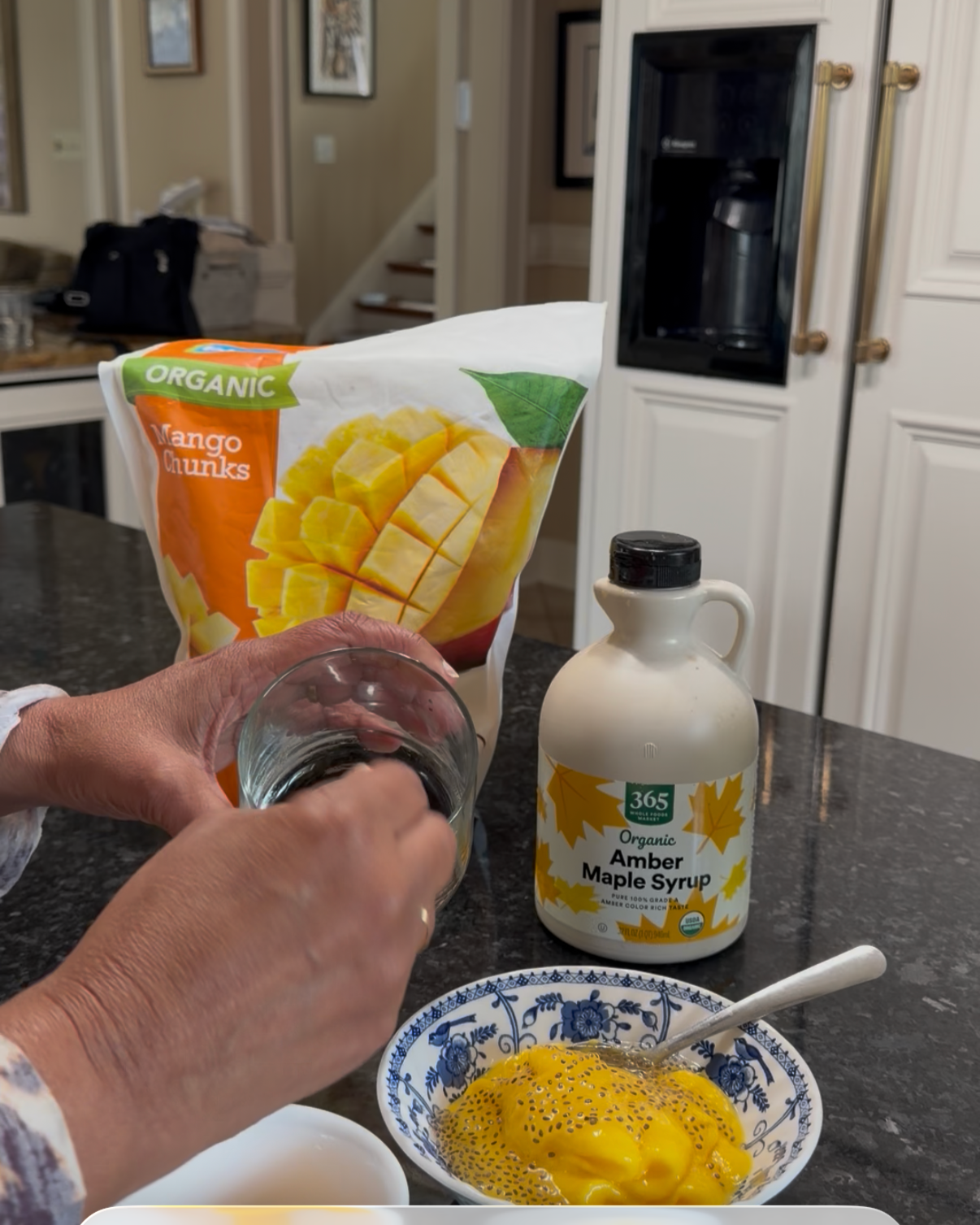
mix chia seeds with blended frozen fruit for dessert
Easy Ways to Enjoy Chia Seeds
One of the reasons I recommend chia seeds so often is because they are incredibly easy to use.
Try adding them to:
Overnight oats
Greek yogurt with berries
Smoothies
Oatmeal
Homemade granola
Salads
Soups
Whole-grain muffins
Chia pudding made with milk or plant-based milk
They have a very mild flavor, making them an easy addition to almost any meal.
A Few Words of Caution
Because chia seeds absorb a great deal of water, it's best not to eat large amounts dry. Instead:
Soak them before eating, or
Mix them into foods that already contain plenty of liquid.
If you're new to chia seeds, start with one tablespoon per day and gradually increase your intake while drinking plenty of water. This allows your digestive system to adjust to the extra fiber comfortably.
People taking blood-thinning medications or those with swallowing difficulties should speak with their healthcare provider before consuming large amounts of chia seeds.
My Take
I often tell my patients that improving health doesn't require expensive supplements or complicated diets. Sometimes the biggest health gains come from the smallest daily habits.
Adding a tablespoon or two of chia seeds to your breakfast is one of those simple habits. They're affordable, versatile, easy to find, and supported by growing scientific evidence for their role in promoting heart health, digestive wellness, blood sugar control, bone health, and overall nutrition.
Tiny seeds truly can make a tremendous difference.
Start simple. Experiment often. And make it your own.
