
Vinaigrettes -Homemade, Flavorful And Healthy
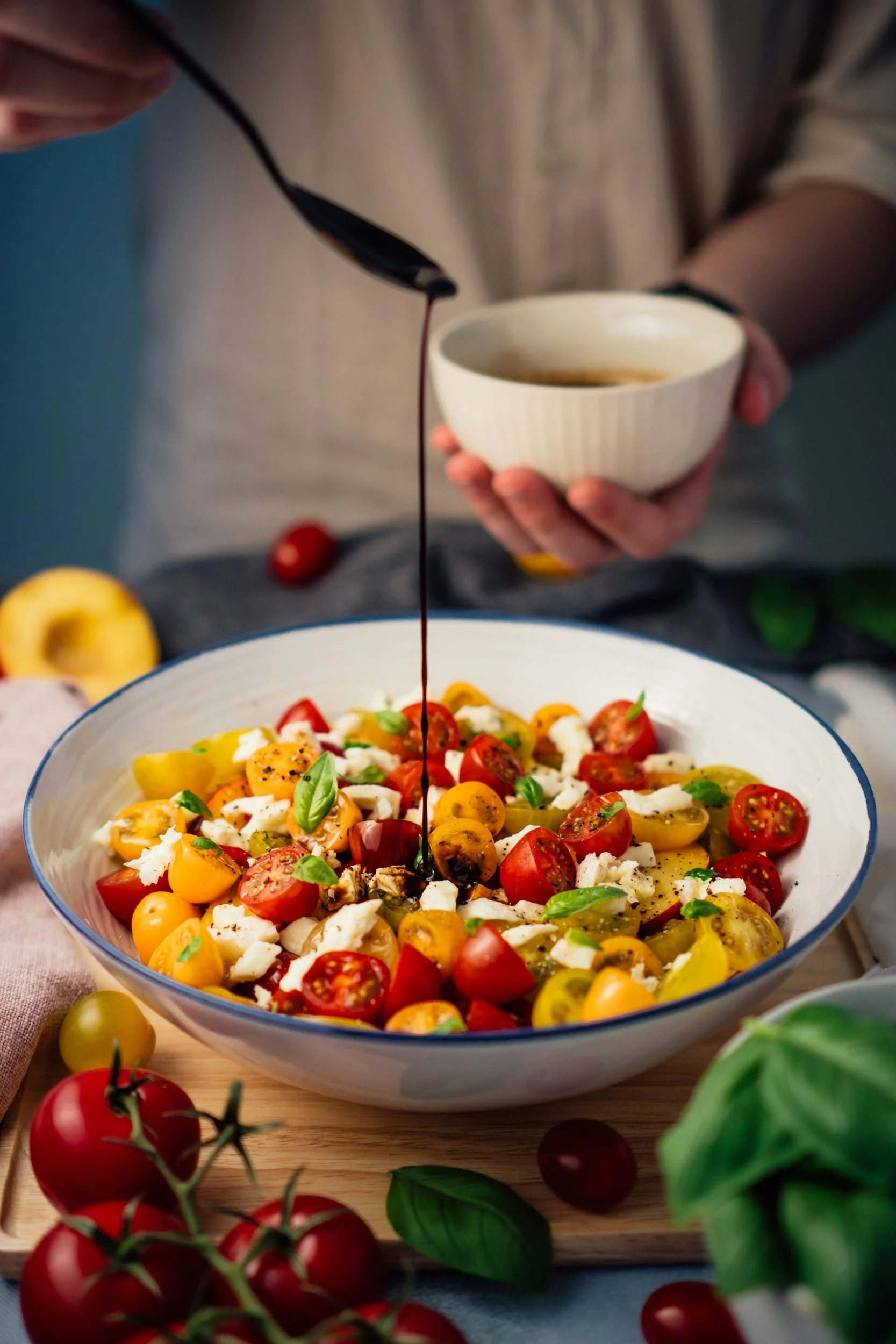
easy and healthy
Whisk, Shake, Nourish: My Guide to Homemade Vinaigrettes—Simple, Flavorful, and Better for Your Health
Why Make Your Own Vinaigrettes?
If there’s one simple kitchen habit that can instantly upgrade your meals, it’s making your own vinaigrettes.
Store-bought dressings are often filled with:
Refined oils
Added sugars
Preservatives and emulsifiers
Homemade vinaigrettes, on the other hand, are:
✨ More affordable
✨ Fresher and more flavorful
✨ Customizable to your health needs
✨ Versatile across meals
You can use them for salads, roasted vegetables, grain bowls, marinades, dips—and even as a finishing drizzle.
The Foundation: A Simple Basic Vinaigrette
At its core, a vinaigrette is a balance of fat + acid + seasoning.
You can whisk it by hand or simply shake it in a jar—my personal favorite method for ease and cleanup.
Basic Recipe
¼ cup vinegar or unsweetened fruit juice
½ to ¾ cup oil (adjust based on taste preference)
Pinch of salt and pepper
Optional: herbs, spices, or additional flavorings
Method:
Slowly whisk the oil into the acid to emulsify or add everything to a jar and shake well.
Tip: Taste as you go—it should have a slight tang. Adjust salt, acid, or oil until it feels balanced to you.
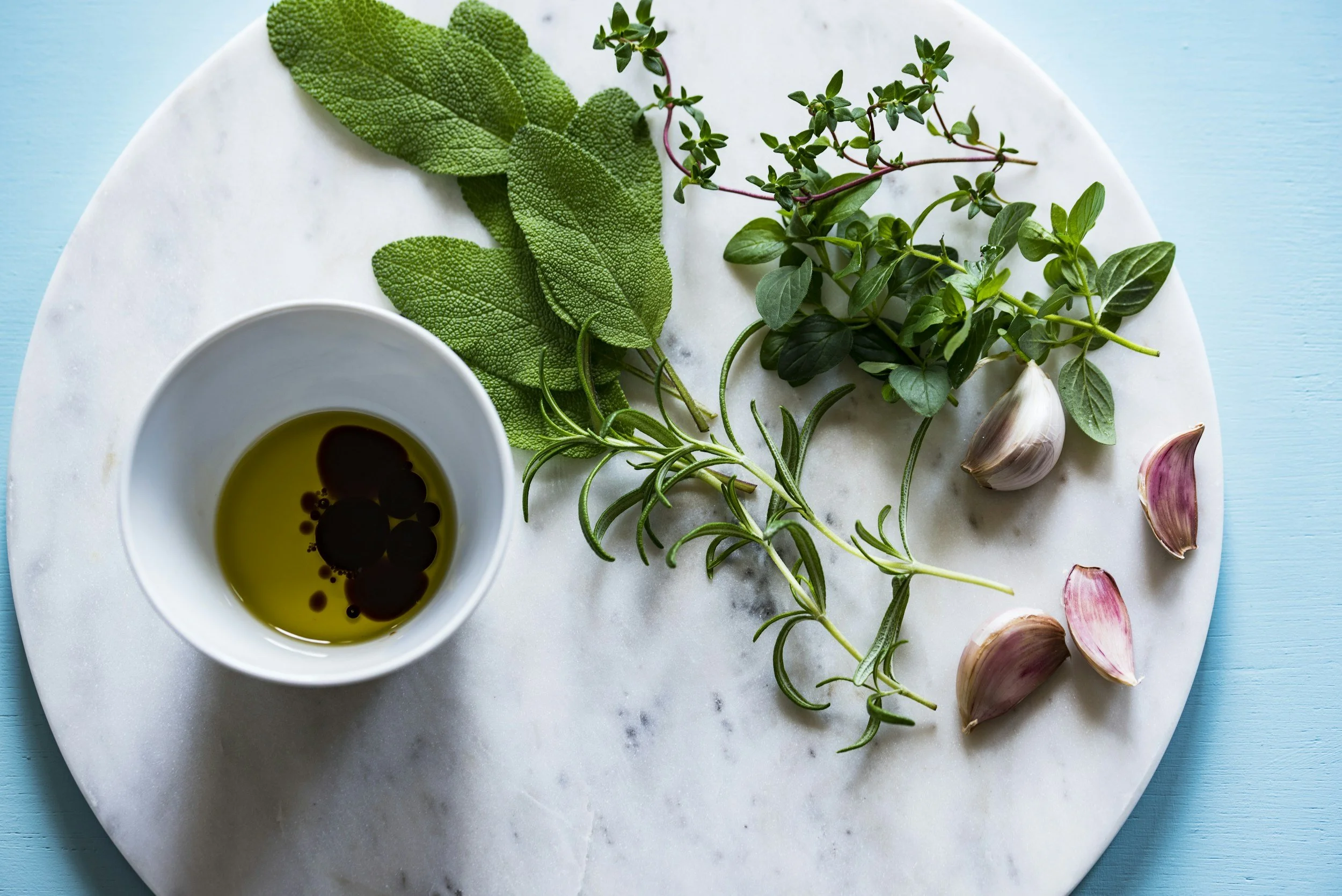
customize per your taste
Make It Your Own: Build-Your-Vinaigrette Guide
Here’s where the magic happens, you can tailor your vinaigrette based on flavor, season, and health goals.
1. Choose Your Oil (Healthy Fats Matter)
Oil-Flavor Profile-Benefits
Extra virgin olive oil-Rich, fruity-Heart-healthy, anti-inflammatory
Avocado oil-Mild, buttery-High smoke point, supports skin health
Walnut oil-Nutty-Omega-3 rich
Flaxseed oil-Earthy-Anti-inflammatory (best used cold)
Sesame oil-Bold, nutty-Great for Asian-inspired dishes
2. Choose Your Acid-Acid
Flavor Profile-Pairs Well With
Apple cider vinegar-Mild, slightly sweet-Everyday dressings, detox support
Balsamic vinegar-Sweet, rich-Salads, roasted vegetables
Red wine vinegar-Bold-Mediterranean flavors
Lemon juice-Bright, fresh-Greens, fish, light dishes
Lime juice-Zesty-Mexican or Asian dishes
3. Add Herbs & Spices (Flavor + Function)-Ingredient-Flavor-Functional Benefit
Garlic-Bold-Immune support
Ginger-Warm, spicy-Anti-inflammatory, digestive
Turmeric-Earthy-Anti-inflammatory
Dijon mustard-Tangy-Helps emulsify + adds depth
Honey or maple syrup-Sweet-Balances acidity
Fresh herbs (parsley, basil, cilantro)-Fresh-Antioxidant-rich
Dried oregano or thyme-Savory-Antimicrobial properties
4. Optional Add-Ins for Extra Nutrition & Flavor-Add-In-Why Add It
Tahini-Creamy texture, calcium-rich-Greek yogurt-Protein boost, creaminess
Miso paste-Gut-friendly, umami flavor
Citrus zest-Brightens flavor
Chia seeds-Fiber + omega-3s
Nutritional yeast-Cheesy flavor, B vitamins
Special Variations to Try
Low-Oil or Oil-Free Options
Use blended fruit (like orange or berries) for natural sweetness , dates for sweetness
Try tahini or yogurt as a base
Increase acid and add a touch of mustard for body
Quick Flavor Combos
Mediterranean: Olive oil + lemon + garlic + oregano
Sweet Balsamic: Olive oil + balsamic + Dijon + honey
Asian-Inspired: Sesame oil + rice vinegar + ginger + soy sauce
Creamy Green: Olive oil + lemon + herbs + yogurt or tahini
Storage Tips
Store in a glass jar with a tight lid
Keeps well in the refrigerator for up to 1–2 weeks (sometimes longer depending on ingredients)
Oils may solidify when chilled—just let it sit at room temperature and shake before using
A Simple Habit with Big Impact
Making your own vinaigrettes is a small shift—but one that:
Improves the quality of your ingredients
Encourages more home cooking
Helps you enjoy vegetables more
Supports overall health in a simple, sustainable way
Final Thoughts
Food doesn’t have to be complicated to be powerful.
With just a few ingredients and a jar, you can create something that nourishes your body, delights your taste buds, and elevates your meals.
Start simple. Experiment often. And make it your own.
