
Resistance Training: The Missing Prescription for Healthy Aging
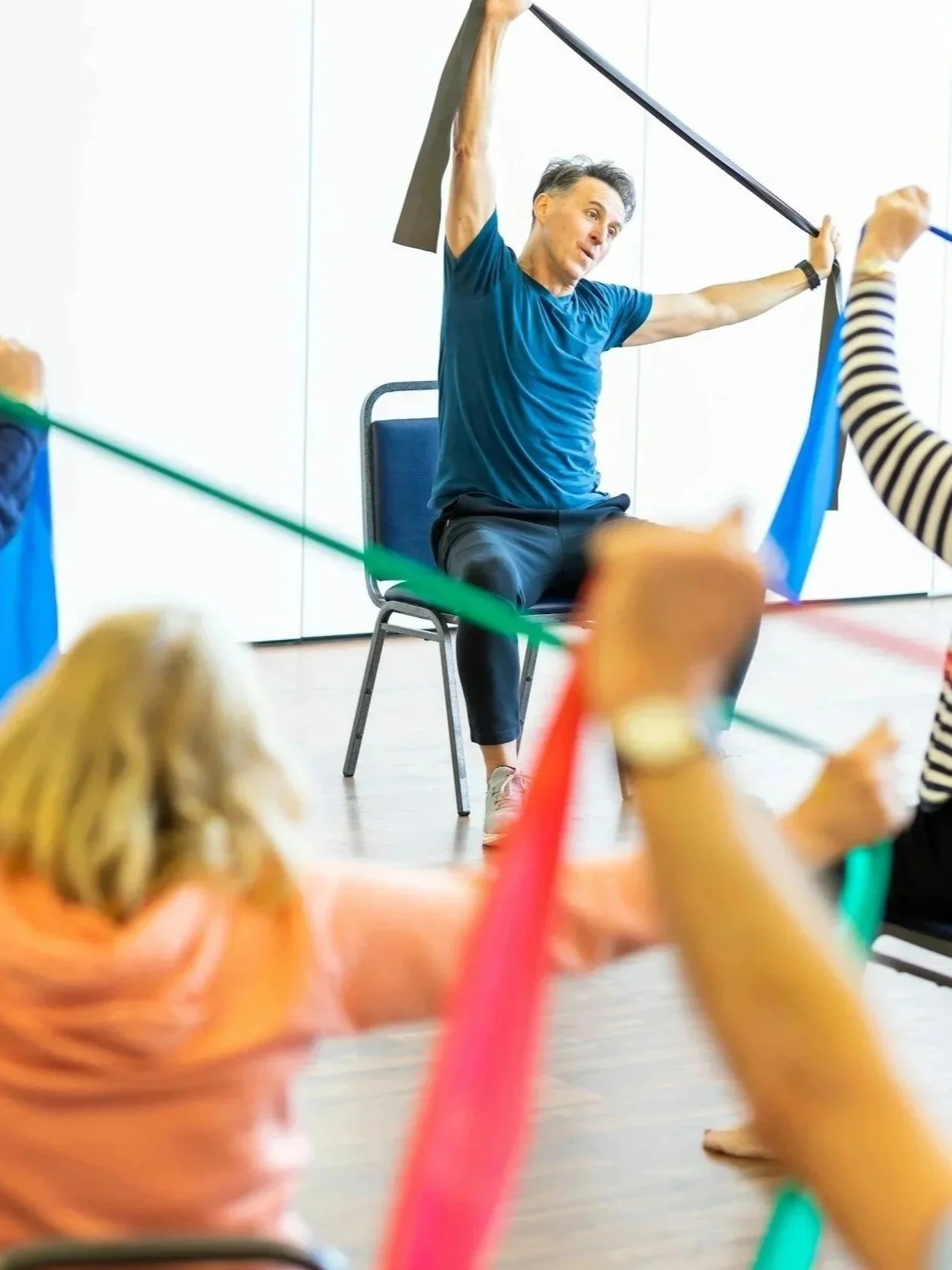
begin slowly
Build Strength, Build Health: Why Resistance Training May Be One of the Most Powerful Tools for Healthy Aging, Longevity, and Independence
For years, aerobic exercise has received most of the attention when it comes to health. Walking, jogging, cycling, and swimming are all excellent forms of exercise that improve cardiovascular fitness and reduce the risk of chronic disease.
But a growing body of research is highlighting another powerful tool for health and longevity: resistance training.
Once thought of primarily as an activity for athletes and bodybuilders, resistance training is now recognized as one of the most effective ways to preserve health, maintain independence, and improve quality of life as we age. In fact, recent research suggests that just 90–120 minutes of strength training per week may significantly reduce the risk of premature death, cardiovascular disease, and neurodegenerative conditions.
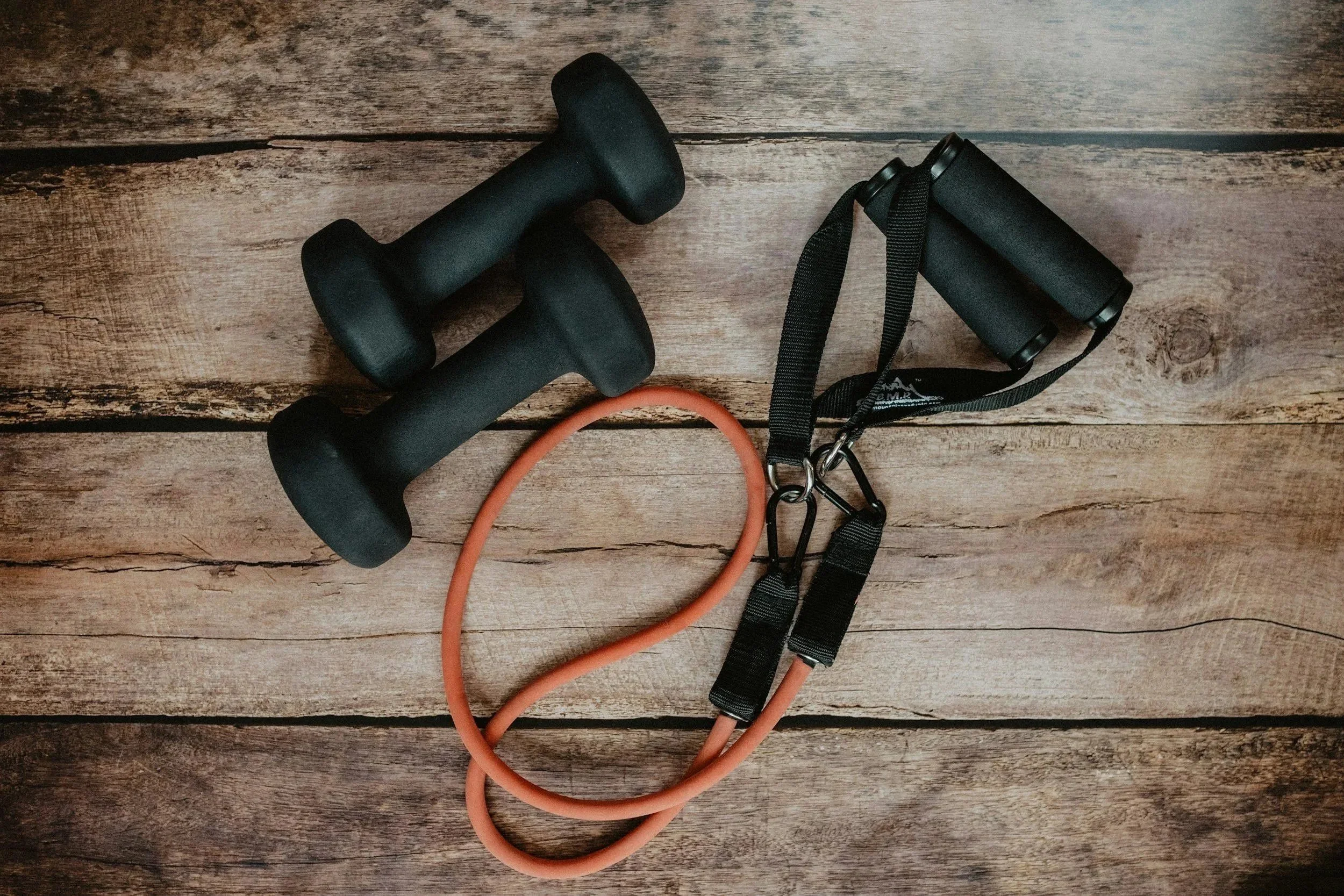
you can do this at home!
What Is Resistance Training?
Resistance training is any exercise that challenges your muscles against an external force. This force may come from:
Free weights (dumbbells, barbells, kettlebells)
Resistance bands
Weight machines
Body weight exercises
Pilates or reformer training
Water resistance exercises
Functional activities such as carrying groceries, gardening, or climbing stairs
The goal is simple: challenge your muscles enough that they adapt and become stronger.
Why Strength Matters More Than Ever
Beginning around age 30, adults gradually lose muscle mass and strength. This process accelerates after age 50 and can contribute to:
Reduced mobility
Increased risk of falls
Loss of independence
Higher risk of chronic disease
Frailty and disability
Resistance training is one of the most effective ways to slow or even reverse this decline.
The benefits go far beyond building muscle.
The Benefits of Resistance Training
1. Preserves Muscle Mass and Strength
Muscle is not just for movement—it is a metabolically active tissue that supports overall health.
Regular resistance training helps maintain and build lean muscle mass, making everyday activities easier and reducing age-related weakness.
2. Improves Bone Health
Bones respond to stress. When muscles pull against bones during strength training, the body is stimulated to build and maintain bone density.
This is particularly important for postmenopausal women and older adults at risk for osteoporosis.
3. Supports Metabolic Health
Muscle tissue helps regulate blood sugar and insulin sensitivity.
Studies show that resistance training can improve glucose control and reduce the risk of type 2 diabetes, making it a valuable tool for metabolic health.
4. Enhances Weight Management
Many people focus solely on calorie burning when exercising.
While aerobic exercise burns calories during activity, resistance training helps preserve and build muscle, which supports a healthier metabolism and increases energy expenditure over time.
5. Improves Brain Health
Emerging research suggests resistance training may help protect cognitive function and reduce the risk of neurodegenerative diseases.
Recent studies have linked regular strength training with a lower risk of neurological disease and dementia-related mortality.
6. Promotes Longevity
One of the most exciting areas of recent research is the relationship between strength training and lifespan.
Researchers following nearly 150,000 adults found that individuals performing approximately 90–120 minutes of resistance training weekly experienced lower rates of all-cause mortality, cardiovascular disease, and neurological disease. The greatest benefits occurred when resistance training was combined with regular aerobic exercise.
7. Improves Mental Health
Exercise is medicine for the brain.
Resistance training has been associated with improvements in mood, self-confidence, stress management, and symptoms of anxiety and depression. Physical activity of all kinds supports mental well-being, but strength training may provide an additional sense of empowerment and resilience.
Resistance Training vs. Aerobic Exercise
A common question is:
"Which is better—cardio or strength training?"
The answer is neither.
They serve different purposes and complement each other beautifully. The best exercise program includes both.
Current recommendations suggest at least 150 minutes of moderate aerobic activity weekly along with muscle-strengthening activities at least twice per week.
You Don't Need a Gym
One of the biggest misconceptions about resistance training is that it requires expensive equipment or a gym membership.
Many effective exercises can be performed at home:
Squats from a chair
Wall push-ups
Step-ups on stairs
Resistance band exercises
Lunges
Glute bridges
Carrying groceries
Body weight strength circuits
The newest strength-training guidelines emphasize that consistency matters more than the specific equipment used. Resistance bands, body weight exercises, free weights, and machines can all be effective.
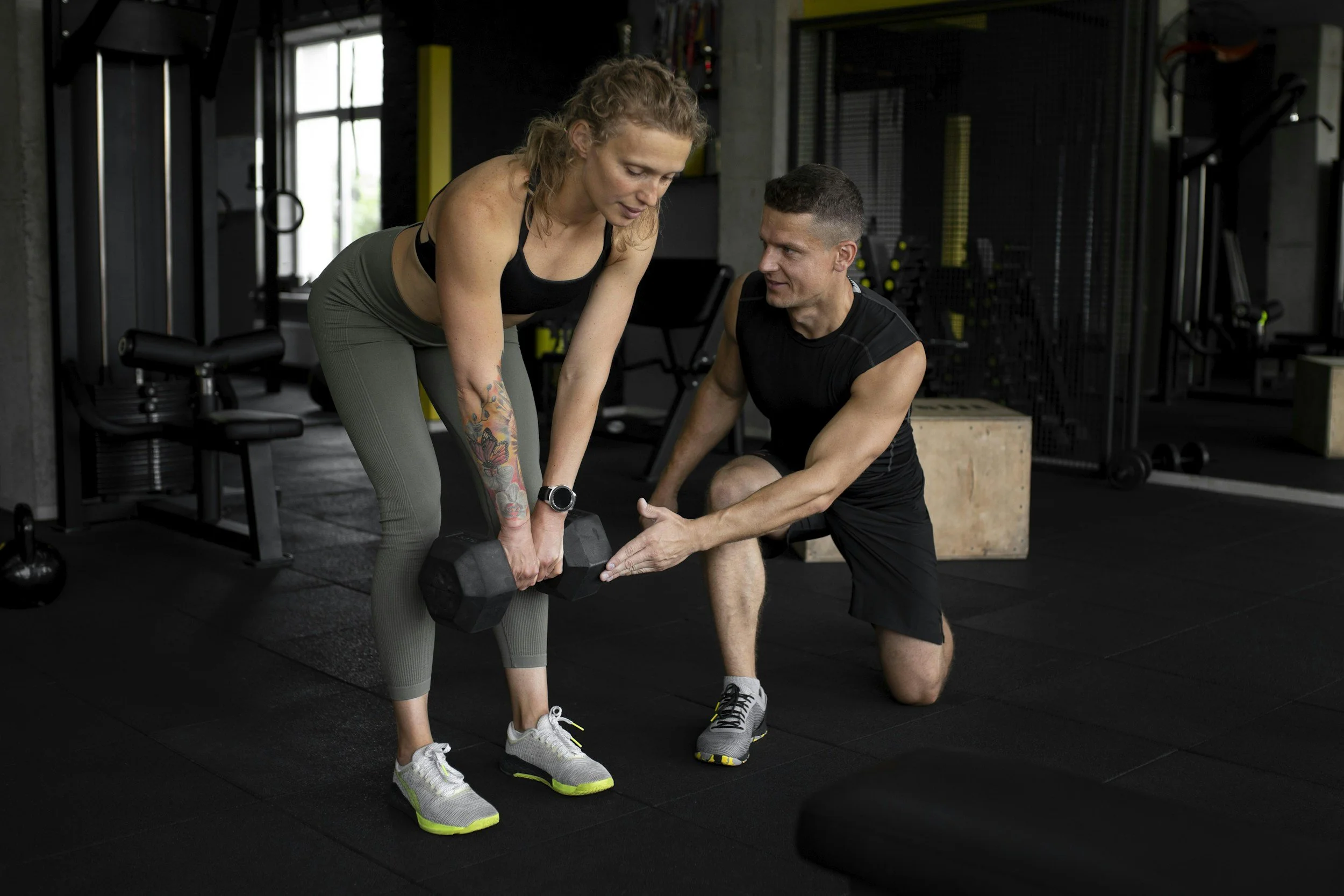
get guidance to begin with
. . . . . . . . . . . .
Getting Started: You Don't Have to Do It Alone
One of the biggest barriers to resistance training is not knowing where to start. The good news is that help is readily available.
If you are new to strength training, consider working with a qualified personal trainer, even for just a few sessions. A trainer can teach proper form, recommend appropriate exercises, and help you build confidence while reducing the risk of injury. This can be especially helpful for older adults, individuals with osteoporosis, arthritis, balance concerns, or those recovering from illness.For those who prefer to exercise at home, there are countless online resources available. YouTube offers free videos ranging from chair-based strength exercises and resistance-band workouts to beginner dumbbell routines. Look for instructors who emphasize proper technique, safety, and modifications for different fitness levels.
Remember, the goal is not to perform complicated exercises. Simple movements done consistently and correctly are often the most effective. The best exercise program is not the perfect one—it is the one you enjoy, can perform safely, and will continue doing consistently.
. . . . . . . . . . . .