
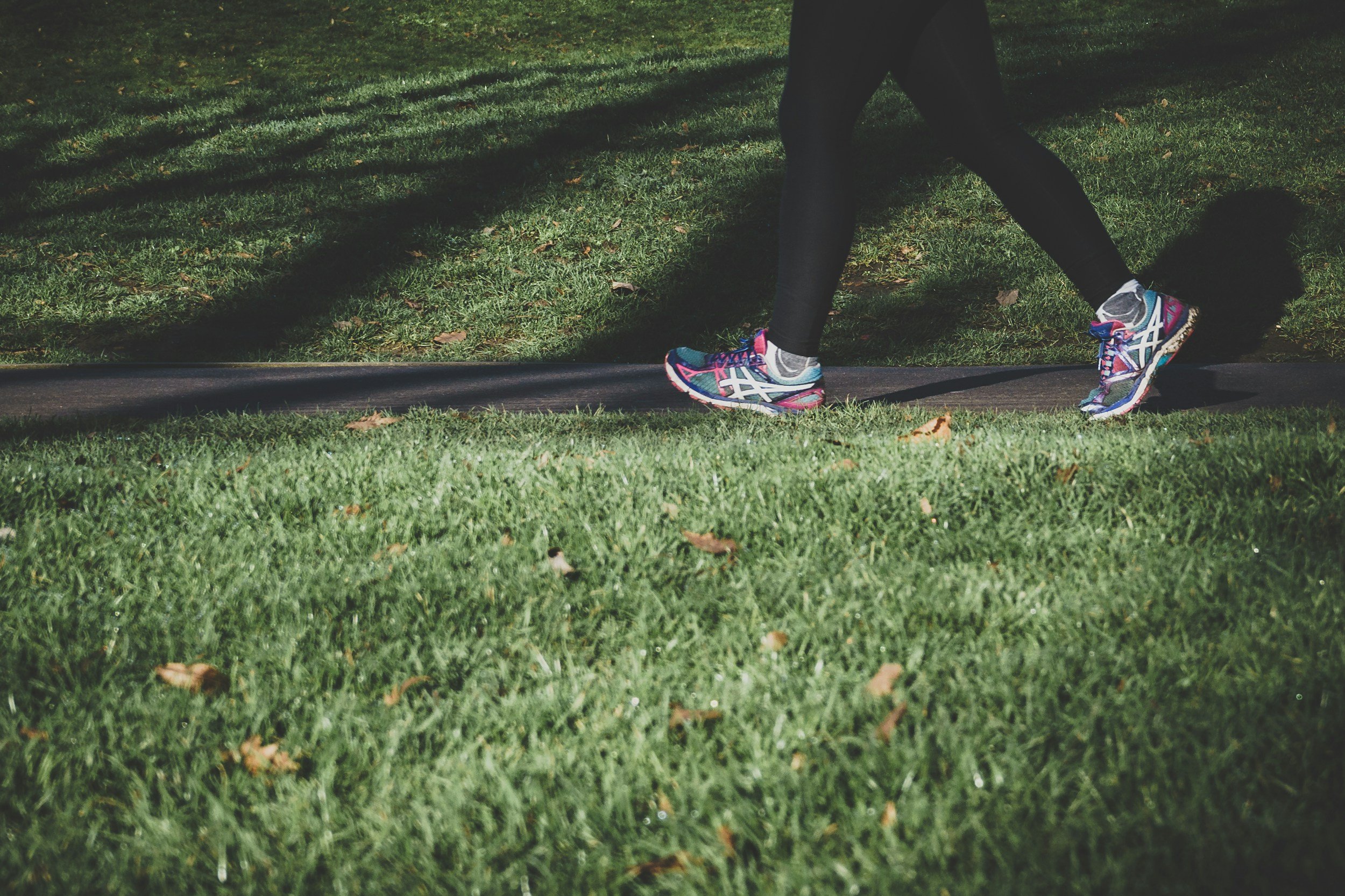
begin slowly
Many people think exercise has to mean spending an hour in the gym or running several miles. The truth is far more encouraging.
Research over the past decade has shown that almost every type of movement contributes to better health. Whether you're gardening, climbing stairs, stretching while watching television, dancing in your kitchen, or taking a brisk walk around the block, your body benefits.
The goal isn't perfection.
The goal is moving more and sitting less. These are also lessons we have learned from the Blue Zones.
Why Movement Matters
Our bodies were designed to move.
Regular physical activity helps:
Improve heart health
Lower blood pressure
Reduce diabetes risk
Maintain muscle mass
Strengthen bones
Improve memory and brain function
Reduce anxiety and depression
Improve sleep
Maintain independence as we age
Increase lifespan
Even people who begin exercising later in life can experience substantial health benefits.
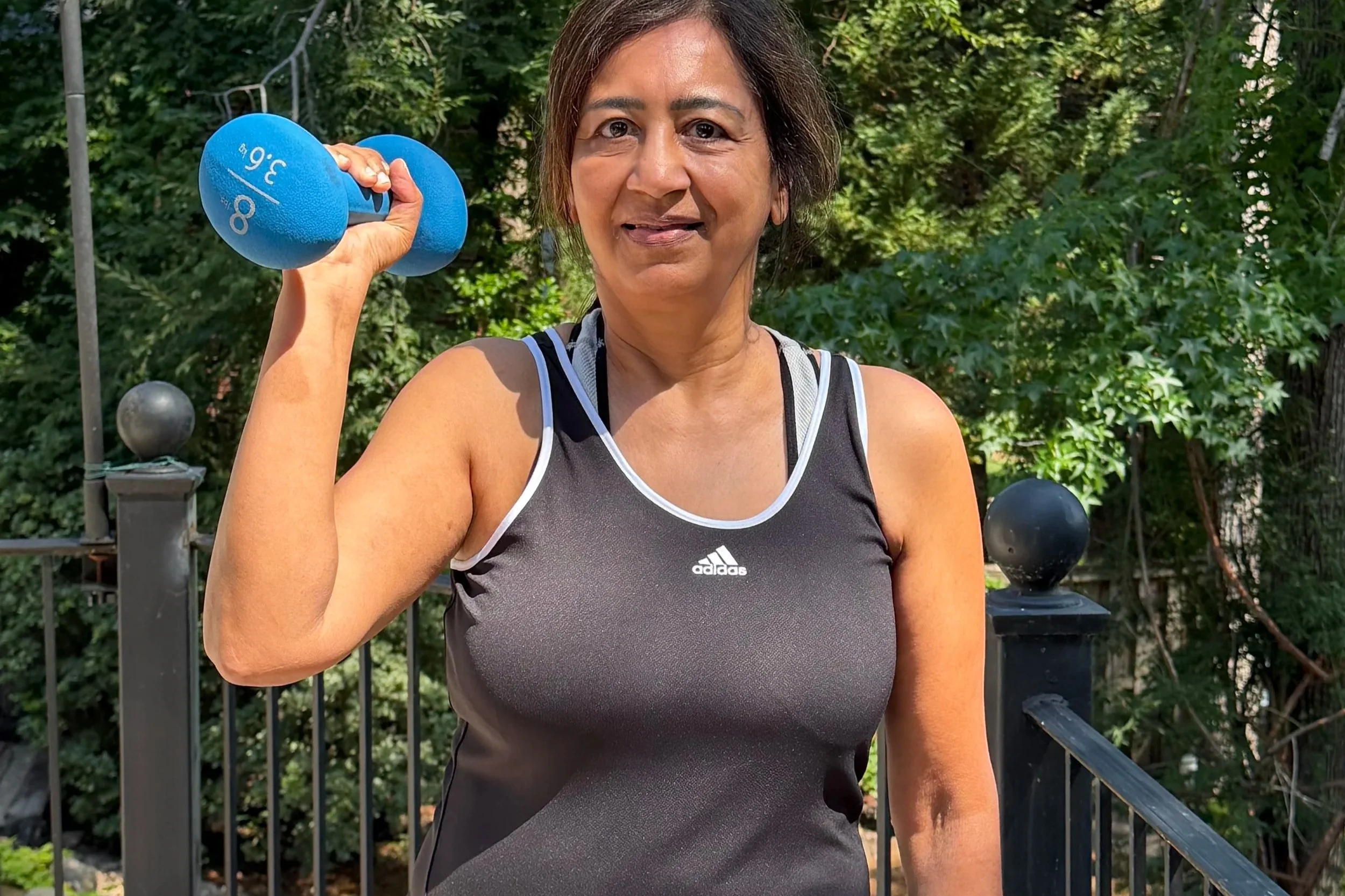
lift some weights to strengthen your arms
The New Science: Every Minute Counts
One of the biggest changes in exercise research is that activity no longer has to occur in 10-, 20-, or 30-minute sessions.
Small "exercise snacks" throughout the day are beneficial.
Examples include:
Walking up stairs
Carrying groceries
Walking while talking on the phone
Parking farther away
Five minutes of brisk walking
Standing up every hour
A few squats while waiting for coffee
Studies now show that short bursts of activity accumulated throughout the day can improve cardiovascular health and lower the risk of premature death.
Movement and Longevity
Some fascinating recent findings include:
✅ Adding just five extra minutes of brisk walking each day has been associated with measurable reductions in mortality risk, especially among the least active adults.
✅ Higher daily step counts are linked with longer life, whether those steps are accumulated in one walk or throughout the day.
✅ Even one- to four-minute bursts of vigorous activity, such as climbing stairs quickly or carrying heavy groceries, may significantly reduce cardiovascular risk.
The takeaway?
Don't underestimate small efforts. They add up.
Mix It Up: Your Body Loves Variety
Different types of movement provide different benefits.
❤️ Aerobic Exercise
Improves:
Heart health
Lung capacity
Blood sugar
Endurance
Examples:
Walking
Swimming
Cycling
Dancing
Hiking
Water aerobics
Aim for at least 150–300 minutes of moderate-intensity aerobic activity each week, or 75–150 minutes of vigorous activity, spread throughout the week.
💪 Strength Training
After age 30, we naturally begin losing muscle mass, and the process accelerates with age.
Strength training helps:
Preserve muscle
Improve metabolism
Protect bones
Improve balance
Make daily activities easier
Reduce falls
Aim for at least two days each week, working all the major muscle groups.
Simple equipment includes:
Resistance bands
Dumbbells
Soup cans
Water bottles
Bodyweight
Exercises:
Sit-to-stands
Wall push-ups
Squats
Step-ups
Heel raises
Rows
Biceps curls
⚖️ Balance Training
Balance is one of the most overlooked forms of exercise.
Yet balance declines naturally with age.
Practicing balance just a few minutes each day helps reduce fall risk and improves confidence.
Try:
Standing on one foot
Heel-to-toe walking
Tai Chi
Yoga
Marching in place
Side stepping
🧘 Flexibility and Stretching
Stretching helps:
Maintain joint mobility
Reduce stiffness
Improve posture
Ease aches and pains
Improve athletic performance
Stretch:
Neck
Chest
Back
Hips
Hamstrings
Calves
Shoulders
Even 5–10 minutes daily can make a noticeable difference.
Indoor Activities for Hot Summer Days
When temperatures climb, don't let the weather stop you from moving.
Indoor ideas include:
Mall walking
Indoor walking videos
Dancing
Chair exercise classes
Yoga
Pilates
Tai Chi
Resistance-band workouts
Stair climbing
Household chores
Active cleaning
Gardening in a greenhouse or covered patio
Community recreation centers
Senior fitness classes
Outdoor Activities
When temperatures are cooler:
Morning walks
Evening walks
Swimming
Water aerobics
Pickleball
Cycling
Hiking
Gardening
Yard work
Outdoor yoga
Nature trails
Playing with grandchildren
Don't Forget NEAT
One of my favorite concepts is NEAT, or Non-Exercise Activity Thermogenesis—the calories we burn through everyday movement rather than formal exercise.
Examples include:
Walking while on the phone
Carrying groceries
Taking the stairs
Parking farther away
Standing while working
Walking during TV commercials
Housework
Yard work
Playing with pets
Gardening
These seemingly small activities contribute meaningfully to overall health and help break up long periods of sitting.
Every movement is an investment in your future.
Remember, movement is one of the most powerful—and accessible—forms of medicine we have. It's never too late to start, and every step you take today is a step toward a healthier, stronger, and more vibrant tomorrow.
"Summer Safety Tips": Hydrate well, exercise during cooler parts of the day, wear lightweight clothing, and listen to your body's signals to avoid overheating.
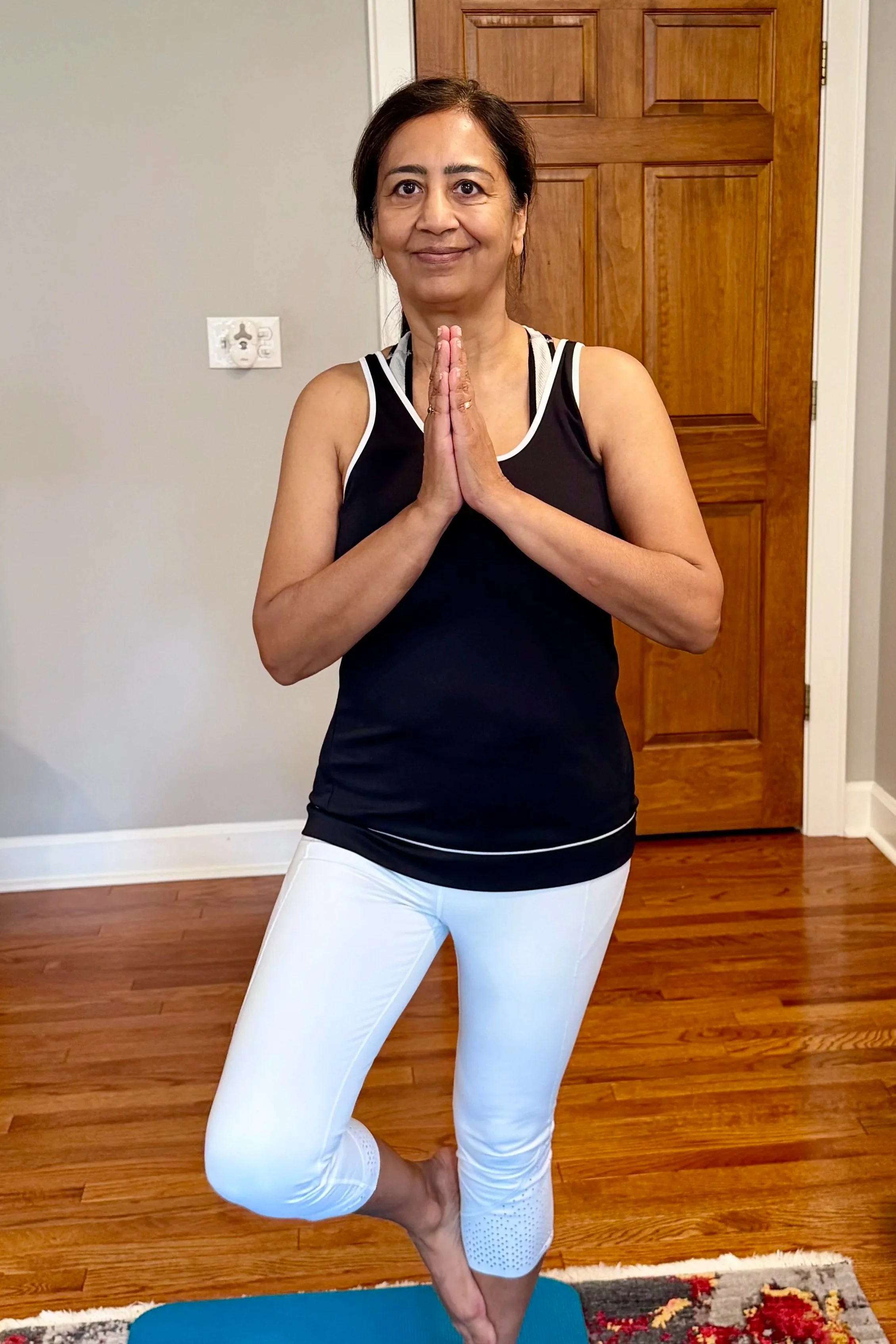
include balance exercises in your routine
. . . . . . . . . . . .