
Identifying Harmful Ingredients in Food
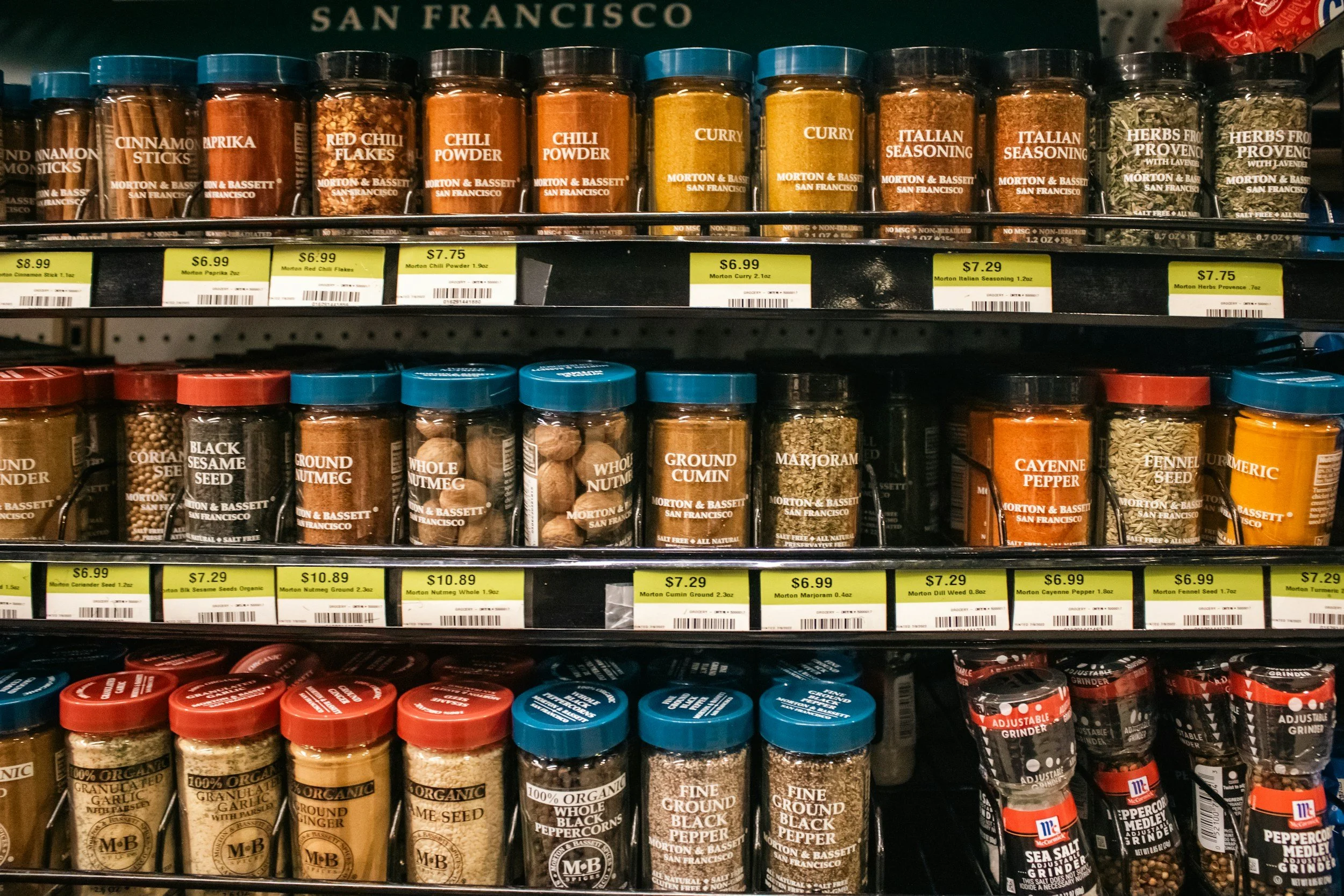
what else is in here
How to Spot Potentially Harmful Ingredients on Food Labels
A practical guide to making informed choices without overwhelm
In today’s food environment, reading labels can feel confusing—even for health-conscious individuals. With a long list of unfamiliar ingredients and bold marketing claims on the front of packages, it’s not always easy to know what truly supports your health.
The goal isn’t perfection or fear around food. It’s awareness.
Understanding a few simple principles can help you make more informed, balanced choices over time.
🧾 Start With the Ingredient List
One of the most helpful habits is to shift your focus away from calories and toward ingredients.
Ingredients are listed in order by weight. This means the first three ingredients make up the majority of the product.
If you notice that the top ingredients include:
Added sugars
Refined flours
Industrial seed oils
Artificial additives
…it’s likely an ultra-processed food.
A simple rule:
If the ingredient list looks more like a chemistry experiment than a recipe, consider alternatives.
🎨 Watch for Artificial Colors
Artificial food dyes are commonly used to enhance the appearance of packaged foods, especially snacks, cereals, and beverages.
Common examples include:
Red 40
Yellow 5
Yellow 6
Blue 1
Some countries require warning labels on these dyes due to concerns about behavioral effects in children.
While occasional intake is unlikely to cause harm, frequent consumption of products containing multiple artificial dyes may be worth reconsidering.
⚠️ Additives to Be Aware Of
Certain food additives have raised concerns in scientific and regulatory discussions. Some are restricted or banned in parts of Europe but still permitted in the United States.
Examples include:
Potassium bromate – used in bread products; banned in the EU
Azodicarbonamide – a dough conditioner; banned in the EU
Titanium dioxide – used for whitening; banned in the EU
BHA and BHT – preservatives with some evidence of carcinogenic potential in animal studies
Some of these compounds have been classified as possible carcinogens by organizations such as the International Agency for Research on Cancer.
It’s important to note that risk depends on dose and long-term exposure, not just occasional intake.
🌍 Why Do Regulations Differ?
You may wonder why certain additives are banned in Europe but allowed in the United States.
This often comes down to different regulatory approaches:
The European Union frequently uses a precautionary principle, restricting substances when there is uncertainty about long-term safety.
The United States often requires stronger evidence of harm before restricting use.
This doesn’t mean all approved ingredients are unsafe—but it highlights the importance of being an informed consumer.
🧠 Focus on Patterns, Not Perfection
It’s easy to become overwhelmed when reading about food additives. But the bigger picture matters more than any single ingredient.
The greatest concern comes from regular consumption of ultra-processed foods over time, not occasional exposure.
Instead of trying to avoid every additive, focus on:
Choosing whole, minimally processed foods more often
Cooking at home when possible
Reading labels for awareness—not anxiety
🥗 A Simple Way to Decide
When looking at a packaged food, ask yourself:
Would I cook with these ingredients at home?
Are most of the ingredients recognizable?
Does this feel like real food or a food product?
These simple questions can guide better choices without needing to memorize complex ingredient names.
🌿 The Bottom Line
Reading food labels is a powerful tool—but it doesn’t need to be complicated.
Small, consistent choices—like choosing foods with simpler ingredient lists and fewer additives—can support long-term metabolic health and overall well-being.
Food should nourish you, not stress you.
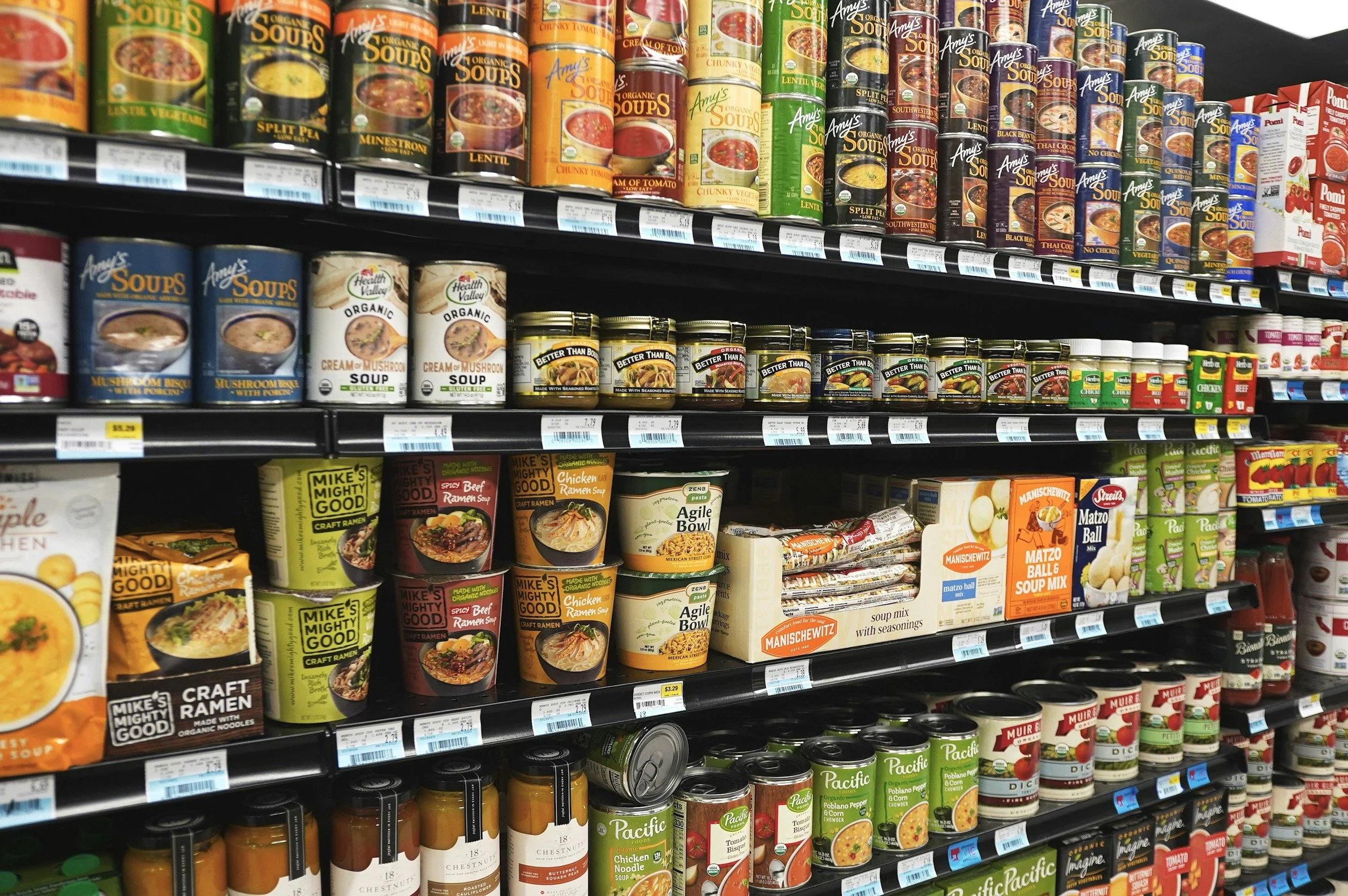
look at the ingredient list
⚠️ Food Additives with Safety Concerns
1️⃣ Artificial Food Dyes
Examples:
Red 40 (Allura Red)
Yellow 5 (Tartrazine)
Yellow 6
Blue 1
Blue 2
Concerns:
Behavioral effects in children (hyperactivity)
Some animal data suggesting carcinogenic potential (high doses)
EU status:
Allowed in the EU but require warning labels about hyperactivity.
Some countries have voluntarily reduced use.
2️⃣ Potassium Bromate
Used in bread to improve texture.
Concerns:
Classified as “possibly carcinogenic to humans” by the International Agency for Research on Cancer (IARC)
Causes kidney and thyroid tumors in animals.
EU status:
BANNED in the EU.
Still permitted in the U.S. (though less commonly used now).
3️⃣ Azodicarbonamide (ADA)
Used in bread dough conditioners.
Concerns:
Breaks down into semicarbazide, which has shown carcinogenic activity in animals.
Respiratory irritant in manufacturing settings.
EU status:
BANNED in the EU.
Allowed in the U.S.
4️⃣ BHA & BHT
(Butylated hydroxyanisole / Butylated hydroxytoluene)
Used as preservatives in cereals and processed snacks.
Concerns:
BHA classified as “reasonably anticipated to be a human carcinogen” by the National Toxicology Program.
Tumor formation in rodent studies at high doses.
Possible endocrine disruption.
EU status:
Restricted use in the EU.
Stricter limits than U.S.
5️⃣ Titanium Dioxide (E171)
Used to whiten candy, baked goods, sauces.
Concerns:
Nano-particle accumulation
Genotoxicity concerns
EU status:
BANNED in 2022 after safety review by the European Food Safety Authority.
Still permitted in the U.S. (though some companies have removed it).
6️⃣ Potassium Sorbate + Sodium Benzoate (when combined with Vitamin C)
When sodium benzoate is combined with vitamin C, it can form benzene under certain conditions.
Benzene:
Known carcinogen (leukemia risk with chronic exposure)
EU status:
Allowed but regulated.
Stricter limits and reformulation guidance.
7️⃣ Brominated Vegetable Oil (BVO)
Used in citrus sodas.
Concerns:
Bromine accumulation
Thyroid disruption
Neurologic toxicity
EU status:
BANNED.
Recently phased out in the U.S. as well (FDA revoked authorization in 2024).
8️⃣ Processed Meats (Not an Additive — But Important)
Examples:
Bacon
Sausages
Deli meats
Classified as Group 1 carcinogen (convincing evidence for colorectal cancer) by the International Agency for Research on Cancer.
Concerns:
Nitrites → formation of nitrosamines (carcinogenic compounds)
EU status:
Allowed but nitrite levels tightly regulated.
Growing movement toward reduction.
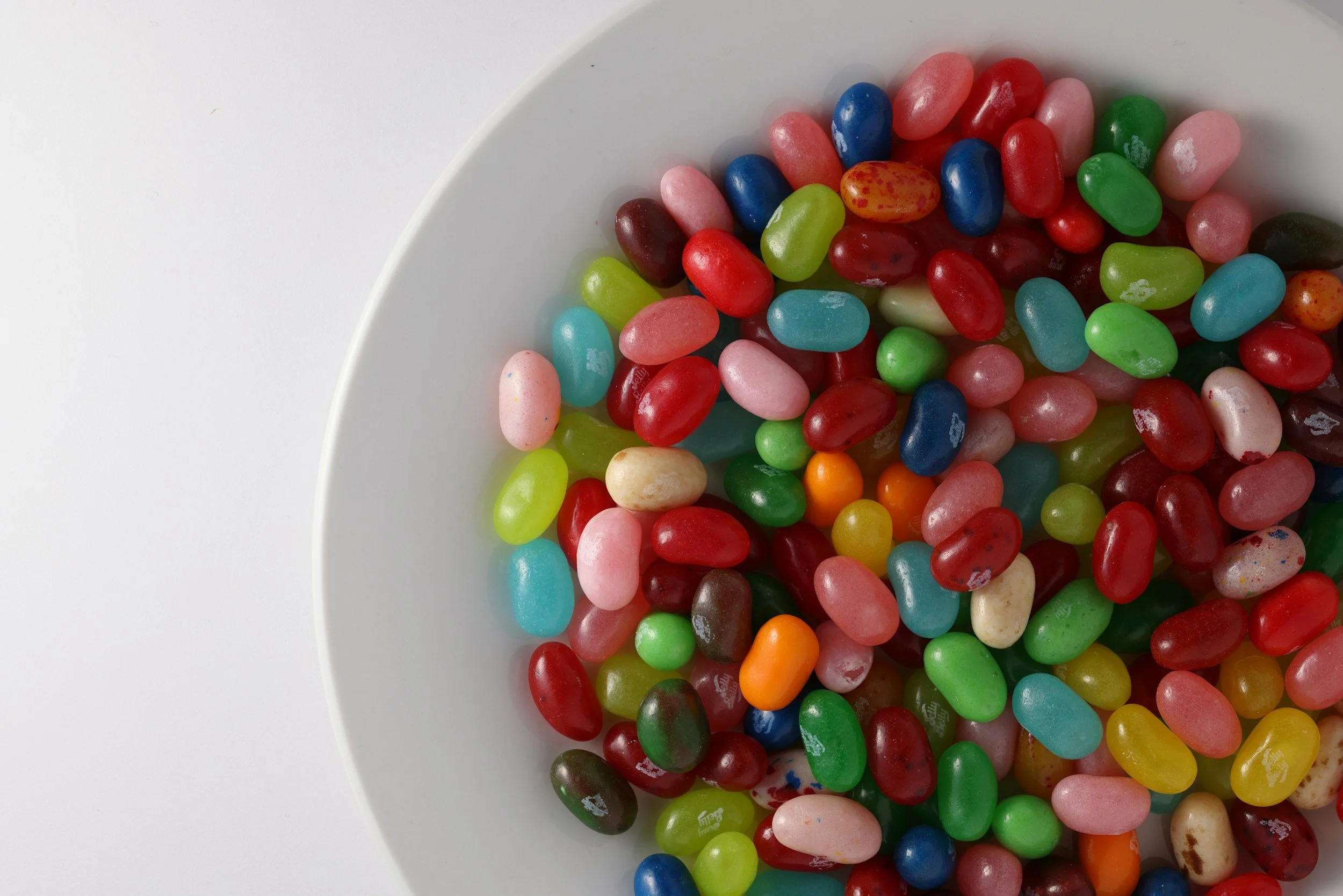
pay attention to food colorings
. . . . . . . . . . . .
